 Escrito por
Me complace anunciar que Carles Puigdemont ha confirmado que será el candidato de Junts en las próximas elecciones catalanas. Esta noticia es muy emocionante para todos los partidarios de la independencia de Cataluña. Puigdemont, un verdadero defensor de la causa, ha demostrado un inmenso coraje y determinación frente a la adversidad. Su compromiso con el […]

La empresa vasca CAF se encuentra en una posición única al ser la única participante en el proceso de licitación del megacontrato para fabricar nuevos trenes para el Metro de Madrid. Este hecho plantea interrogantes sobre el estado de la competencia en la industria del transporte y las posibles implicaciones para el Metro de Madrid. […]

El coleccionismo de arte se ha considerado durante mucho tiempo una actividad exclusiva reservada a los más ricos y cultos. Sin embargo, un asesor de coleccionismo pretende cambiar esa percepción y democratizar la compra de arte. Como asesor en el mundo del arte, su misión es hacer que el arte sea más accesible a un […]

Si Maduro es reelegido como líder de Venezuela, es muy probable que millones de venezolanos huyan del país. La situación actual en Venezuela ya es calamitosa, con una grave crisis económica y un malestar social generalizado. El régimen de Maduro ha sido acusado de abusos contra los derechos humanos y de mala gestión de los […]

El sector tecnológico está experimentando una importante escasez de trabajadores cualificados, con unas 41.000 vacantes de empleo actualmente sin cubrir. Ante esta alarmante situación, se ha puesto en marcha un plan de choque para hacer frente al déficit de empleo y cubrir estos puestos. El plan implica un enfoque múltiple, que incluye esfuerzos de contratación […]
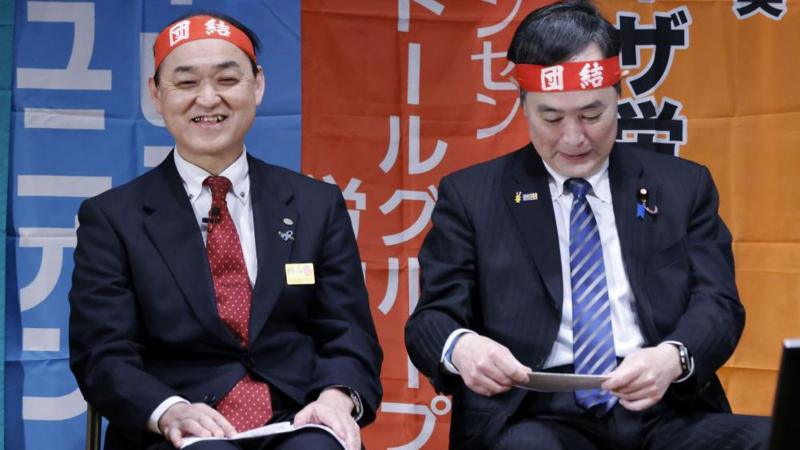
Japón lleva años sufriendo deflación, una caída persistente de los precios que puede conducir al estancamiento económico. Esto ha llevado al país a aplicar políticas monetarias no convencionales, incluidos tipos de interés negativos. Sin embargo, los últimos acontecimientos sugieren que Japón podría estar poniendo fin a sus problemas deflacionistas. El país ya no es el […]

En un importante avance, las autoridades han logrado detener a los individuos responsables de defraudar más de tres millones de euros mediante la venta ilegal de licencias VTC en Madrid. Esta detención marca un hito importante en la lucha contra las actividades fraudulentas en el sector del transporte. Los sospechosos, que fueron detenidos por las […]
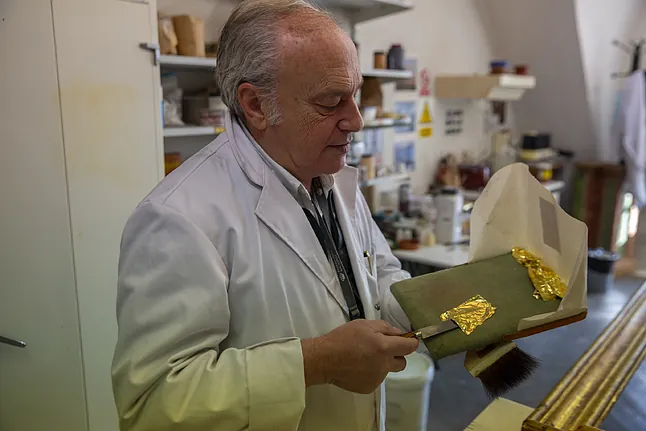
Otra notable creación de estos hábiles artesanos fue el «traje» diseñado para el caballo de Carlos III. Este intrincado y ornamentado atuendo mostraba la artesanía y creatividad de los artesanos. El atuendo del caballo estaba adornado con lujosas telas, intrincados bordados y elaboradas decoraciones, lo que lo convertía en una verdadera obra de arte. La […]
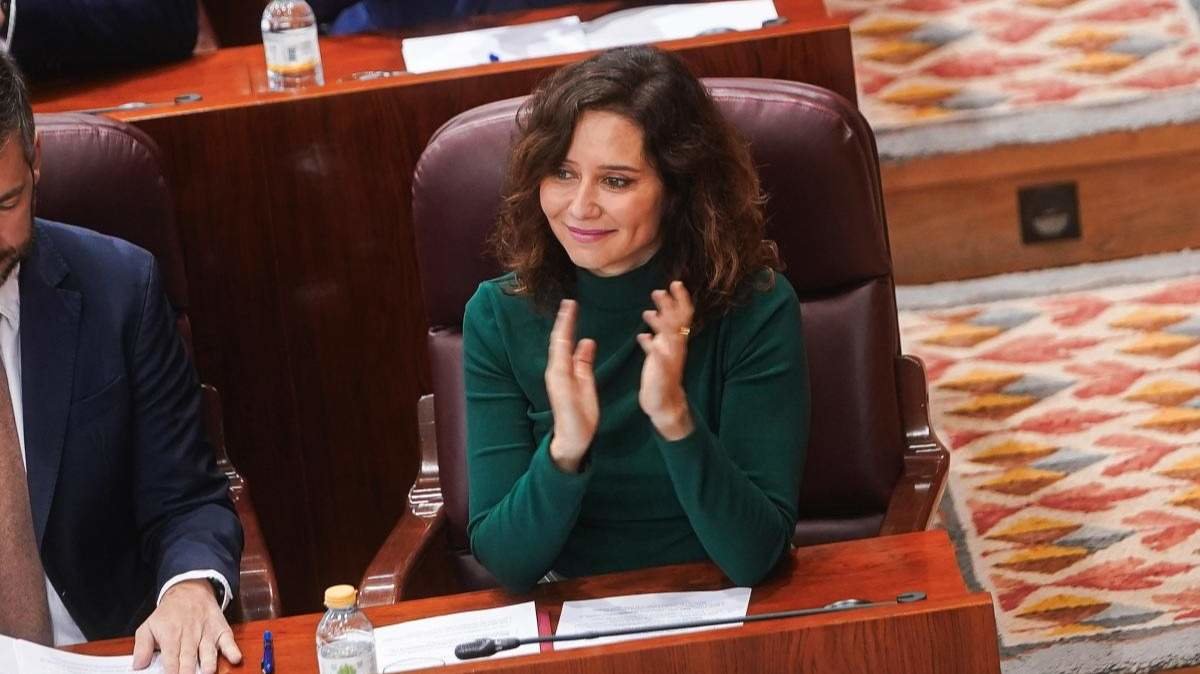
Estoy absolutamente emocionada de compartir la noticia sobre la celebración en Ayuso de la declaración del flamenco como Bien de Interés Cultural. El flamenco no es sólo un baile o un género musical, es una expresión vibrante de la cultura española que ha cautivado a públicos de todo el mundo. Esta declaración reconoce la importancia […]

Madrid vibra con la celebración de la novena edición de la Exposición Trazos. Este acontecimiento tan esperado reúne a artistas, entusiastas del arte y coleccionistas de todo el mundo para mostrar su talento y apreciar la belleza del arte. El vibrante ambiente de Madrid se anima aún más durante esta exposición, con las calles adornadas […]